
A Quick Reflection to Release One Lingering Urge
How a Simple Pause Helps the Brain Let Go of Impulses

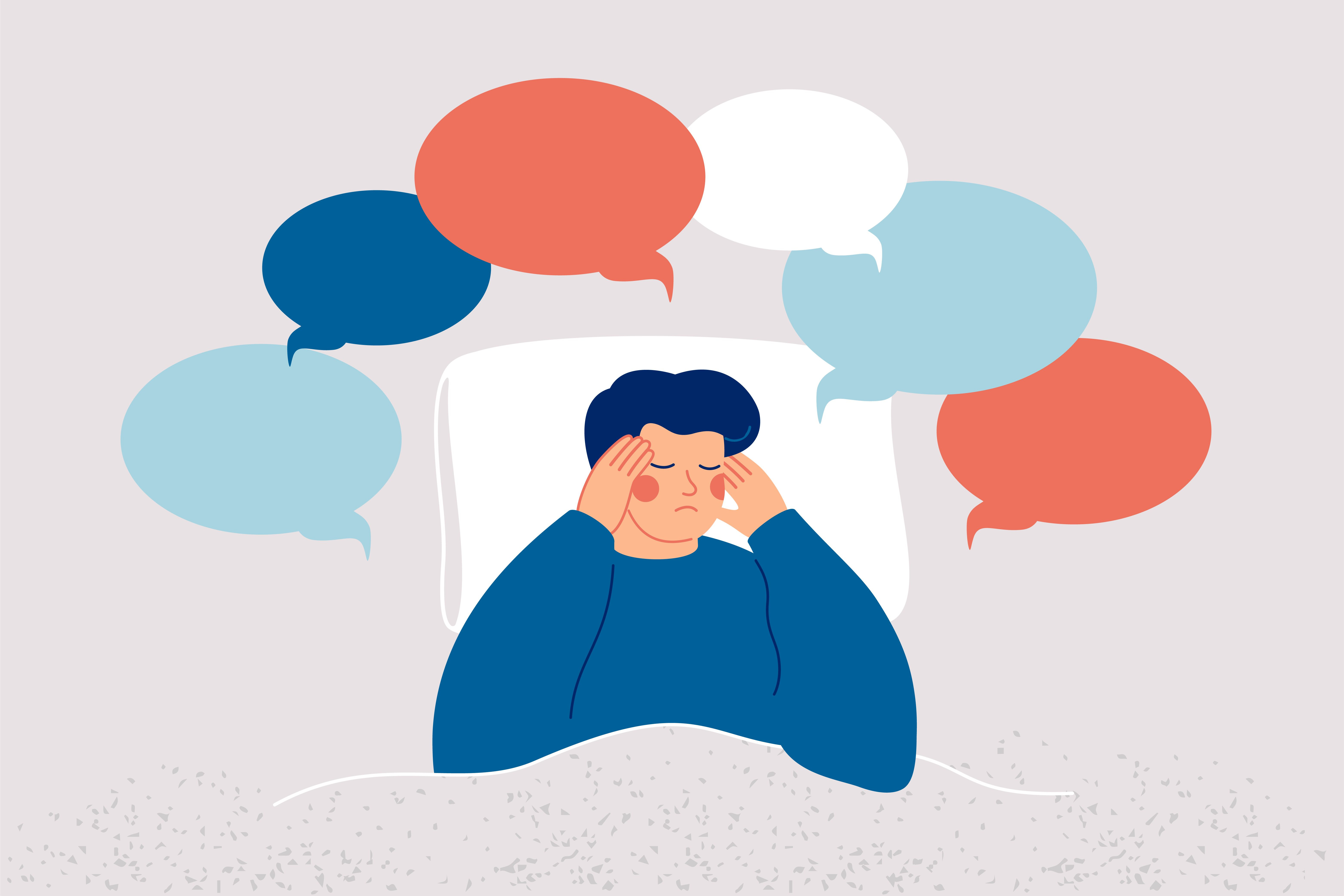
Urges feel urgent.
Immediate.
Demanding attention.
But most of them aren’t permanent.
They’re temporary waves passing through the mind.
The problem isn’t the urge itself.
It’s how quickly we obey it.
When you slow the moment down,
the urge often loses its grip.
Your brain generates urges for many reasons.
Stress.
Habit.
Boredom.
Reward-seeking.
They rise quickly because the brain wants relief or stimulation.
But like any wave,
they also fade when you stop feeding them.
A 60-Second Reflection
When you notice an urge, pause and ask:
“What feeling is sitting underneath this urge right now?”
Don’t judge the answer.
Just notice it.
Maybe it’s restlessness.
Maybe it’s tension.
Maybe it’s fatigue or frustration.
Often the urge isn’t the real need, it’s just the shortcut the brain offers.
Why This Works
1️⃣ Urges weaken when you observe them
Awareness interrupts automatic behavior.
2️⃣ Naming the feeling reduces its intensity
When the brain labels an emotion, the nervous system settles.
3️⃣ You regain choice
Instead of reacting instantly, you decide what actually helps.
You don’t have to fight every urge, you just have to look at it long enough to understand it.
Many impulses dissolve once they’re seen clearly.
One pause.
One honest question.
Sometimes that’s enough to let the wave pass.
What do your most common urges usually try to distract you from?
I always have the urge to drink when something good happens. It feels like a celebration or a reward. Now I ask myself what will a drink give me? A drink is NOT possible for me. One leads to one more, and on and on I go. Now I reward myself in other ways. Sometimes just recognizing the good that happened is reward enough! I'm finally feeling like I deserve good things.
This is a useful reminder to all of us: an urge can feel immediate and final, but often it becomes much weaker once you stop for a sec and look at closely what is underneath it. I especially liked the focus on curiosity rather than shame.